
Modular Signage vs Custom Signage: Which Is Better for Modern Businesses?
Modern signage must do more than display a name or logo. It should guide people, support safety, remain accurate and reinforce a consistent brand experience. The choice between modular signage and custom signage therefore depends not only on appearance, but also on how the system will be updated, maintained and expanded over time.
21.03.2026 • 5 min read
Informational
Modular signage is built from standard components such as aluminium profiles, panels, holders, frames, end caps and mounting accessories. These elements can be configured as room signs, directories, reception signs, table-top signs, suspended signs and displays. The structure stays consistent while individual inserts or graphics can be changed when information is updated.
Custom signage is designed for a particular location, campaign or architectural feature. It allows greater freedom in shape, scale, material, finish, colour and lighting, making it suitable for flagship entrances, experience zones, feature walls and one-off installations. Its advantage is creative specificity; its limitation is that every alteration may require new design, fabrication and installation.
The practical difference becomes clearer across a large facility or a network of branches. Modular signage makes repeated formats easier to specify, produce and maintain. Custom signage can create memorable focal points, but it is less efficient when names, departments, offers or room functions change regularly. In many projects, the strongest solution is a considered combination of both approaches.
Directional
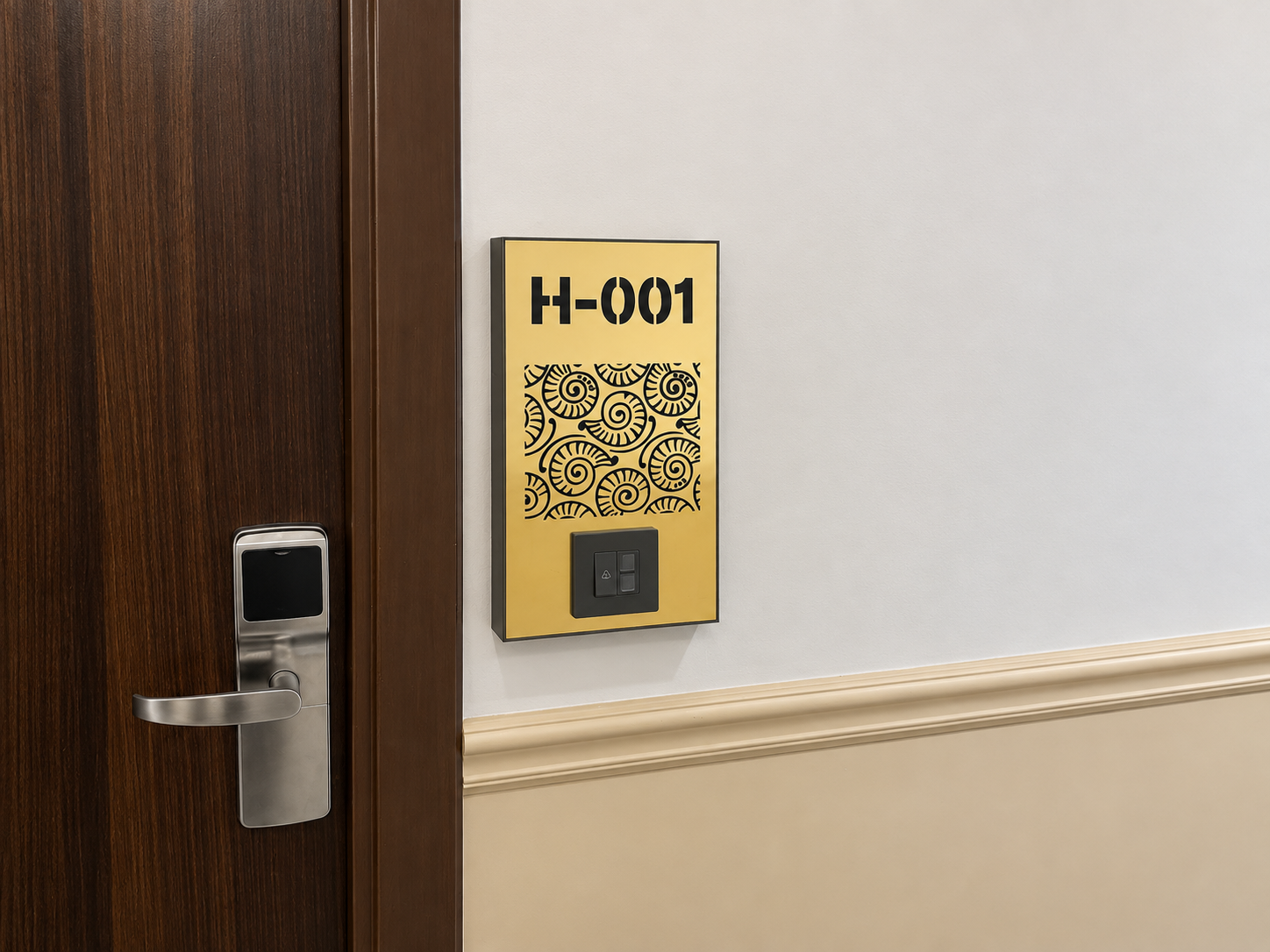
Wayfinding signage has to stay clear and current as teams move, departments expand and visitor routes change. A modular system allows directories, arrows, floor identification and destination panels to be updated without replacing the complete sign. This is valuable in hospitals, offices, banks, schools, malls, airports and commercial buildings where inaccurate information quickly creates confusion.
Custom signage can still support navigation where a building needs a distinctive landmark or a site-specific form. For repeated decision points, however, consistent profiles, sizes and mounting methods make the journey easier to understand. The selection should follow the movement pattern, viewing distance and frequency of future changes—not appearance alone.
Safety
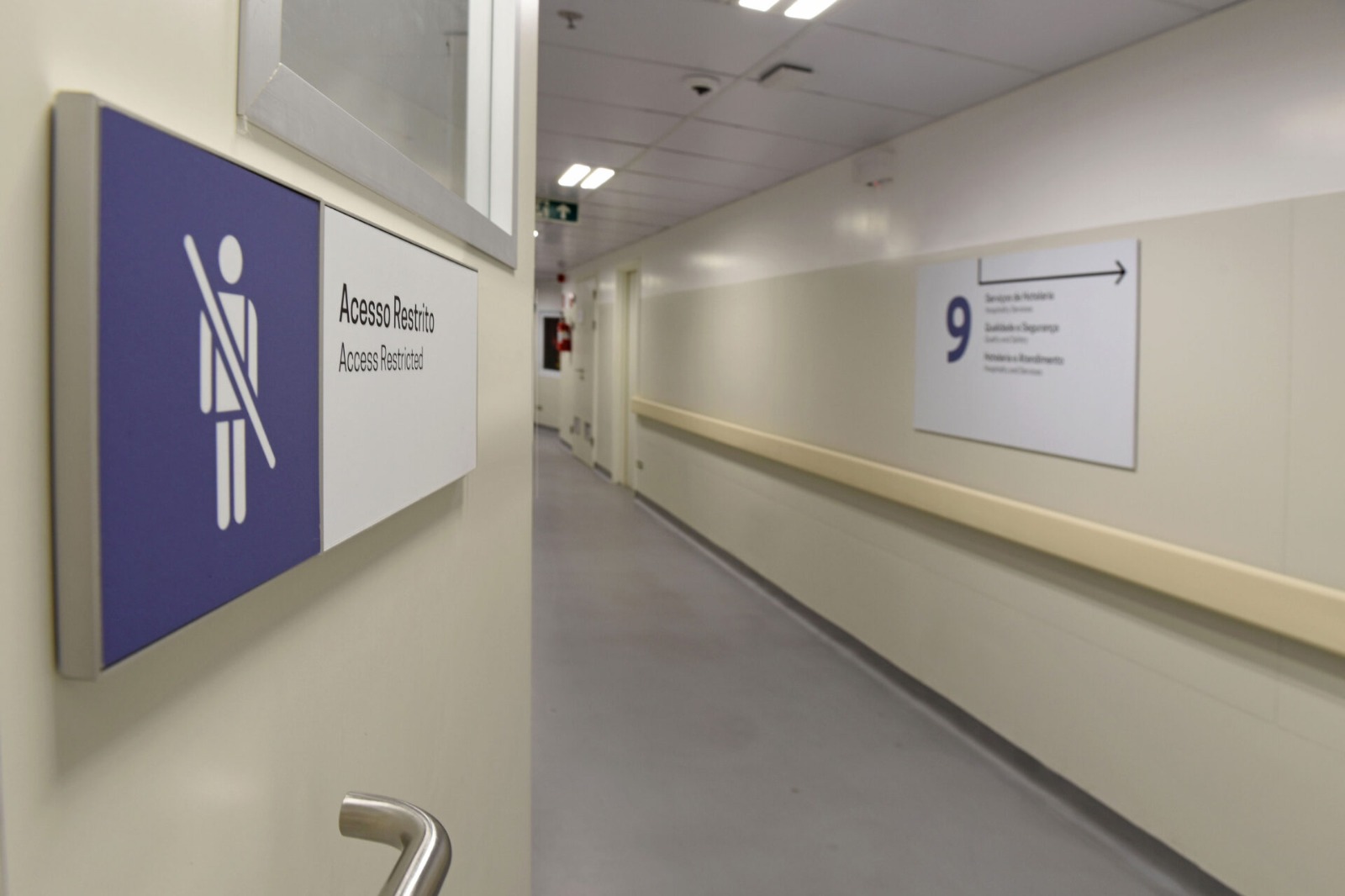
Safety communication must remain visible, legible and accurate. Exit signs, restricted-area notices, emergency instructions and regulatory messages may need to be replaced as layouts or operating procedures change. Modular signage supports faster content updates while retaining a secure, familiar structure across the building.
Material and installation quality matter as much as the message. Signs may be exposed to cleaning, handling, dust, sunlight, humidity and weather. Durable components such as aluminium, acrylic, PVC and ACM can help a system retain its finish and structural integrity when correctly specified for its location.
A safe signage plan should be clear at decision points, consistent throughout the route and easy for facility teams to inspect and maintain.
Branding
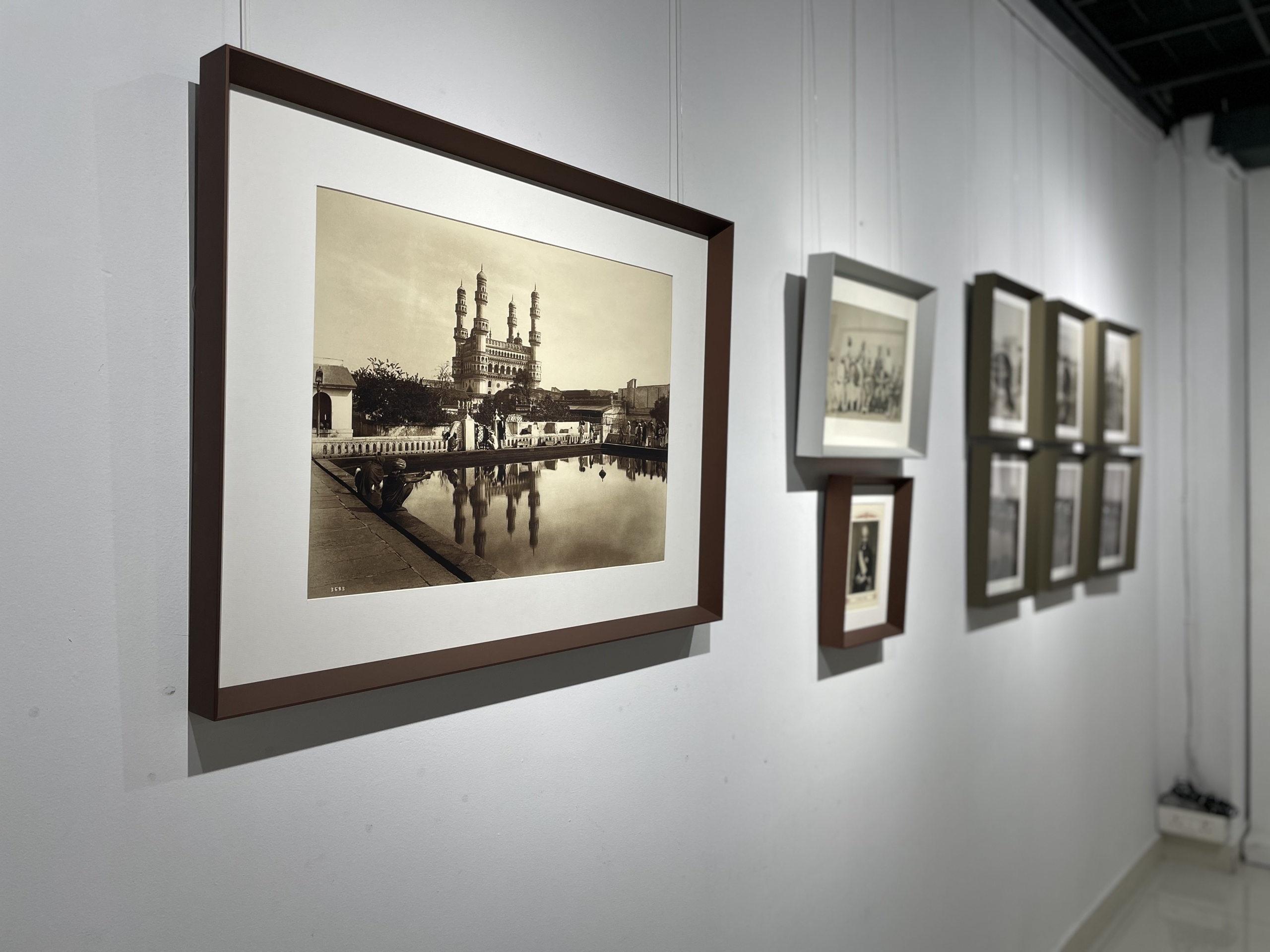
Custom signage offers complete freedom for a memorable brand moment. A reception feature, flagship entrance or campaign installation can use a distinctive scale, shape, finish or illumination to express a brand in a way that standard formats may not. These applications work best when visual impact is the primary objective and frequent changes are unlikely.
Modular sign systems strengthen identity through repetition. Standard profiles, finishes, typography, colours and mounting details help every room sign, directory and directional panel speak the same visual language. For multi-location businesses, this consistency makes environments feel organised and recognisably connected to the brand.
The two approaches are therefore complementary. Modular signage can form the dependable layer used for everyday information, safety and navigation, while custom signage creates selected moments of emphasis. Together they balance operational consistency with creative expression, without forcing every sign into the same construction or turning every update into a new fabrication exercise. This layered approach also helps architects protect the design intent while facility teams retain practical control over routine changes, replacements and future expansion.
The Way Forward
Choose the system according to its long-term role. If information changes regularly, formats repeat across locations or maintenance must be simple, modular signage is usually the stronger foundation. If the requirement is artistic, architectural or campaign-led, a custom solution may be more appropriate.
Cosign’s modular sign systems support indoor and outdoor applications including directories, room identification, wayfinding, light boxes and exit signs. A planned mix of modular and custom elements can create signage that looks distinctive today while remaining practical, consistent and adaptable tomorrow. Early coordination between designers, procurement and facility teams will also clarify which signs must change easily and which can remain permanent feature elements.


