
Why Aluminium Is One of the Best Materials for Modern Signage Systems
A sign may look impressive on installation day, but its real value depends on how it performs over time. The signage material must support clear communication while handling everyday use, cleaning and environmental exposure. Aluminium signage brings together strength, low weight, design flexibility and a refined finish for both interior and exterior applications.
21.03.2026 • 5 min read
Informational
Aluminium is widely used for profiles, panels, frames, light boxes, totems, directories and display systems. It is strong without being excessively heavy, easy to fabricate and suitable for a broad range of finishes. This balance makes it useful wherever a clean architectural appearance must be supported by dependable day-to-day performance.
Material selection influences more than aesthetics. It affects the sign’s service life, transport, installation, cleaning, replacement and ability to accept future changes. Lower-grade materials may bend, crack, fade or corrode, creating repeated maintenance and an inconsistent appearance. Aluminium offers a stable foundation for signage systems used in busy facilities and across multiple locations.
It also works across indoor signage and outdoor signage. Anodised, brushed, painted, powder-coated or metallic finishes can complement interiors and brand palettes, while appropriate specifications help exterior signs face rain, dust, sunlight, humidity and temperature changes. For modular signage, aluminium profiles can be standardised and reused, allowing the system to combine visual consistency with practical changeability. The same material language can therefore continue from external identification to interior information, even when each location requires a different sign format.
Directional
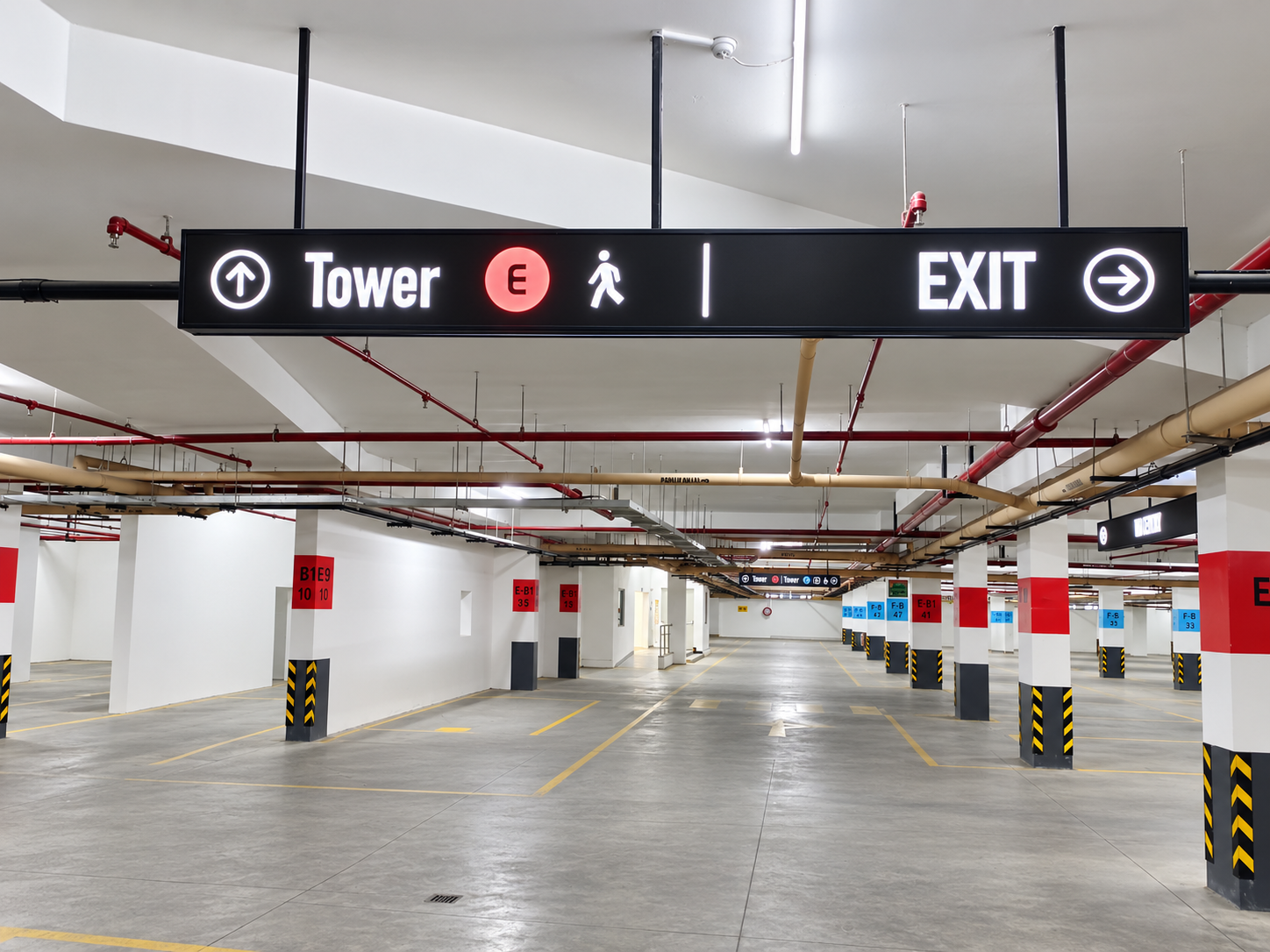
Directional signs appear across corridors, lobbies, parking areas, campuses and external routes. Aluminium’s strength-to-weight balance suits wall-mounted, projected, suspended and freestanding formats, making transport and installation more practical while keeping the structure sturdy.
The material can be formed into coordinated profiles for directories, arrows, destination panels and identification signs. This helps wayfinding signage retain the same design language from an entrance to an interior room. Where information changes, aluminium modular systems can hold replaceable graphics or panels, reducing the need to manufacture an entirely new sign for every update. Fabrication flexibility also makes it easier to coordinate dimensions, edge details and mounting methods across a varied wayfinding family.
Safety
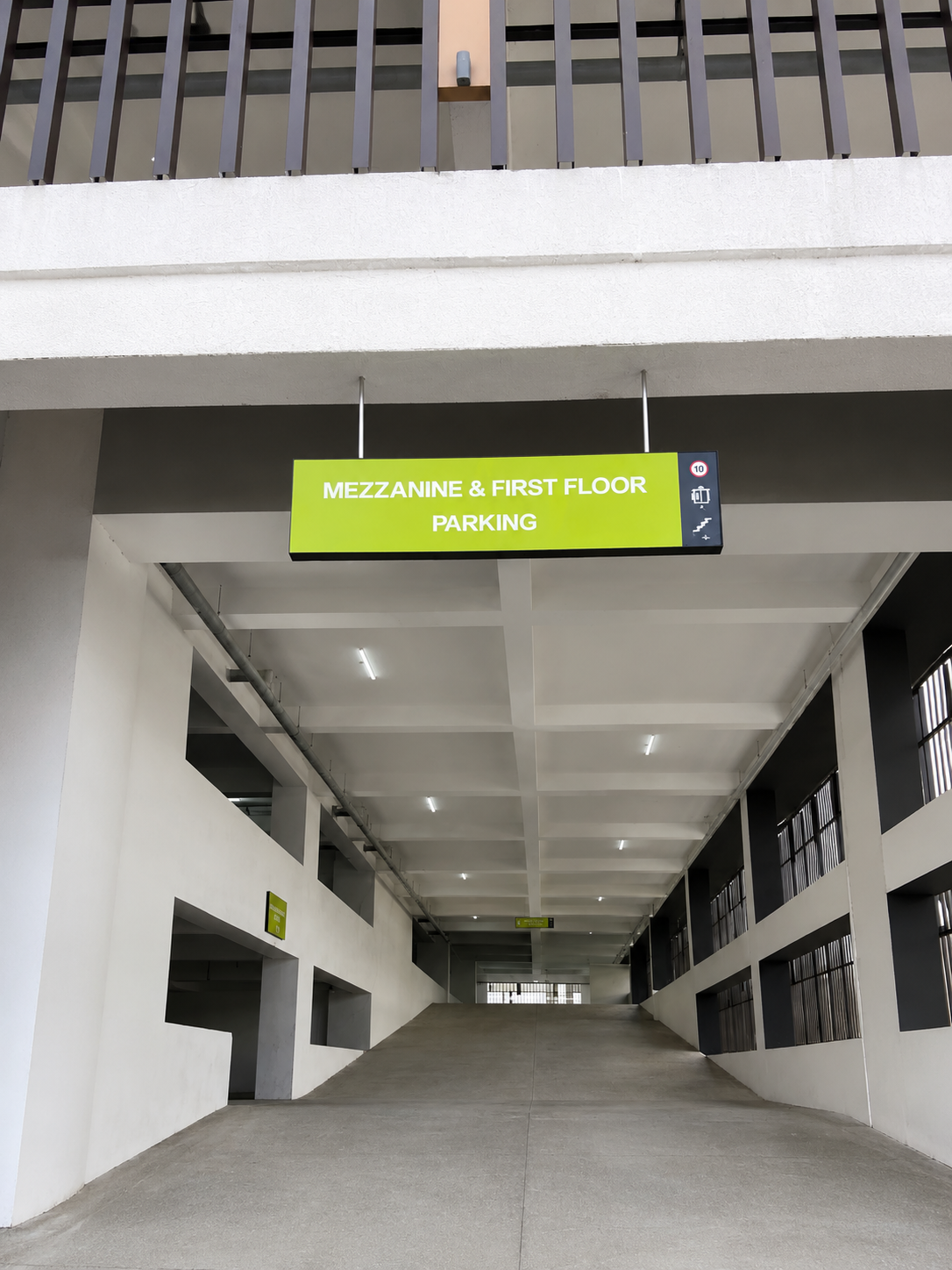
Signs used for exits, restricted zones, emergency information and regulated areas must remain easy to read and securely installed. Lightweight signage can reduce handling challenges during transport, mounting, suspension or relocation, particularly across large buildings with many sign types.
Aluminium is naturally corrosion-resistant and can be further protected with a suitable finish. This makes it a practical base for signs exposed to humidity, pollution, routine cleaning and changing weather. The complete assembly including graphics, fixings and coatings must still be specified for its actual environment.
For dependable performance, match the profile thickness, finish, mounting method and maintenance plan to the sign’s size, location and expected exposure.
Branding
Signage is often one of the first physical interactions with a brand. Aluminium supports a precise, contemporary appearance that works well in corporate offices, hospitals, retail environments, campuses, hotels and public infrastructure. Its clean edges and controlled finishes allow functional signs to feel integrated with the architecture rather than added as an afterthought.
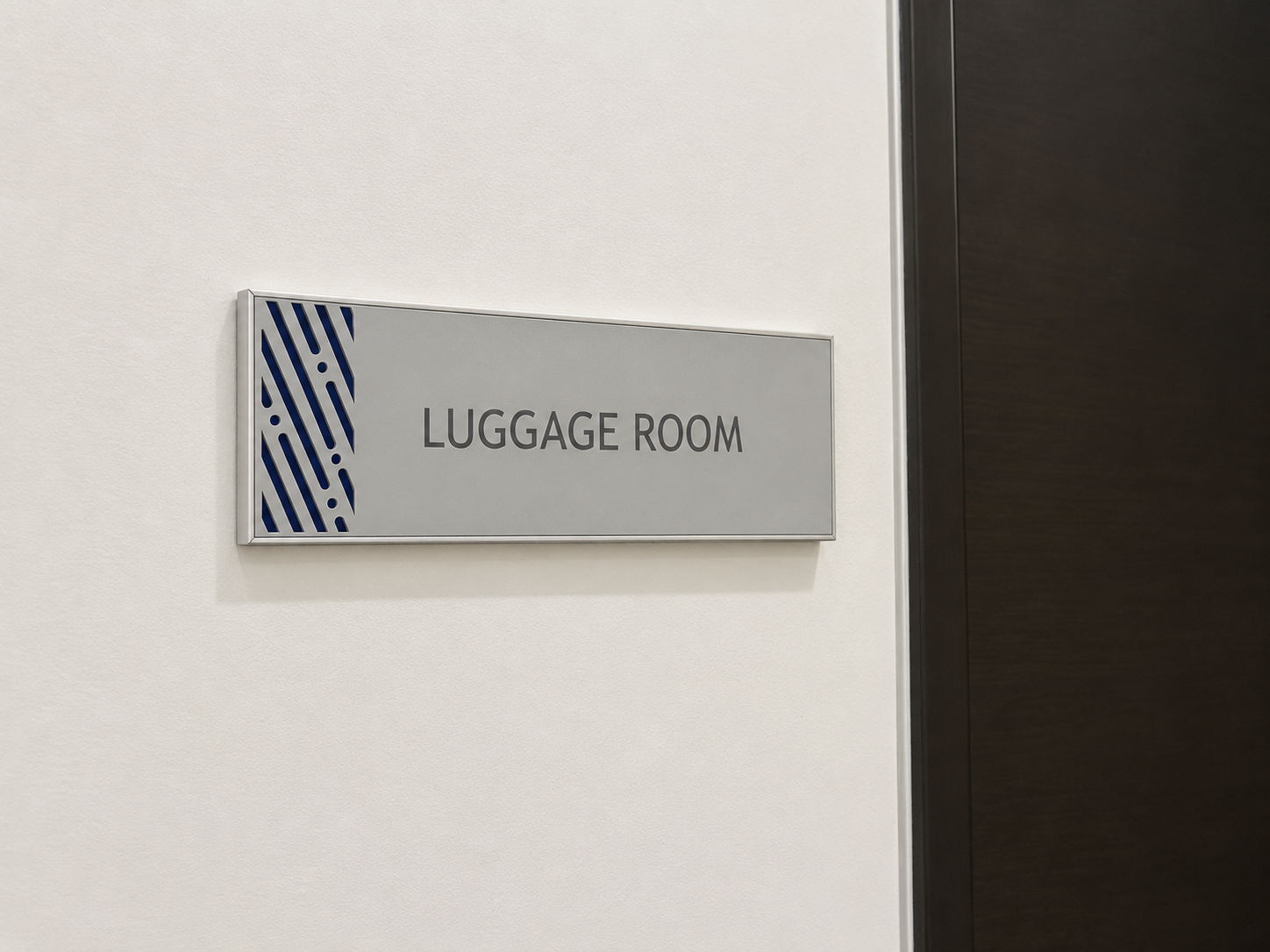
A wide choice of finishes enables the same base material to express different identities. Anodised or brushed surfaces can create a restrained technical character; painted and powder-coated finishes can align with a brand palette; graphics and inserts can carry typography, colour and imagery. The material can also support illuminated and non-illuminated formats.
For organisations operating across several sites, standard aluminium profiles make quality easier to repeat. Directories, room signs, reception elements and outdoor signs can share consistent proportions and detailing while adapting to local information. The result is a unified signage family with enough flexibility for each setting. Because the profiles can support replaceable content, brand standards are easier to maintain when departments, tenants or messages change. The identity remains stable even as the information evolves.
The Way Forward
Evaluate signage material by total lifecycle performance, not only initial appearance or purchase price. Consider durability, weight, finish, exposure, ease of cleaning, replacement needs and the frequency of information changes. The correct aluminium specification can lower maintenance demands while preserving a professional appearance.
Cosign uses aluminium across modular signage, light boxes, fabric and art frames, illuminated signs and outdoor systems. With the right profile, finish and mounting method, aluminium signage provides a scalable foundation for signs that are consistent, adaptable and designed for long-term use. Planning these details as one system also makes future additions easier to match, source and maintain across the property.


